
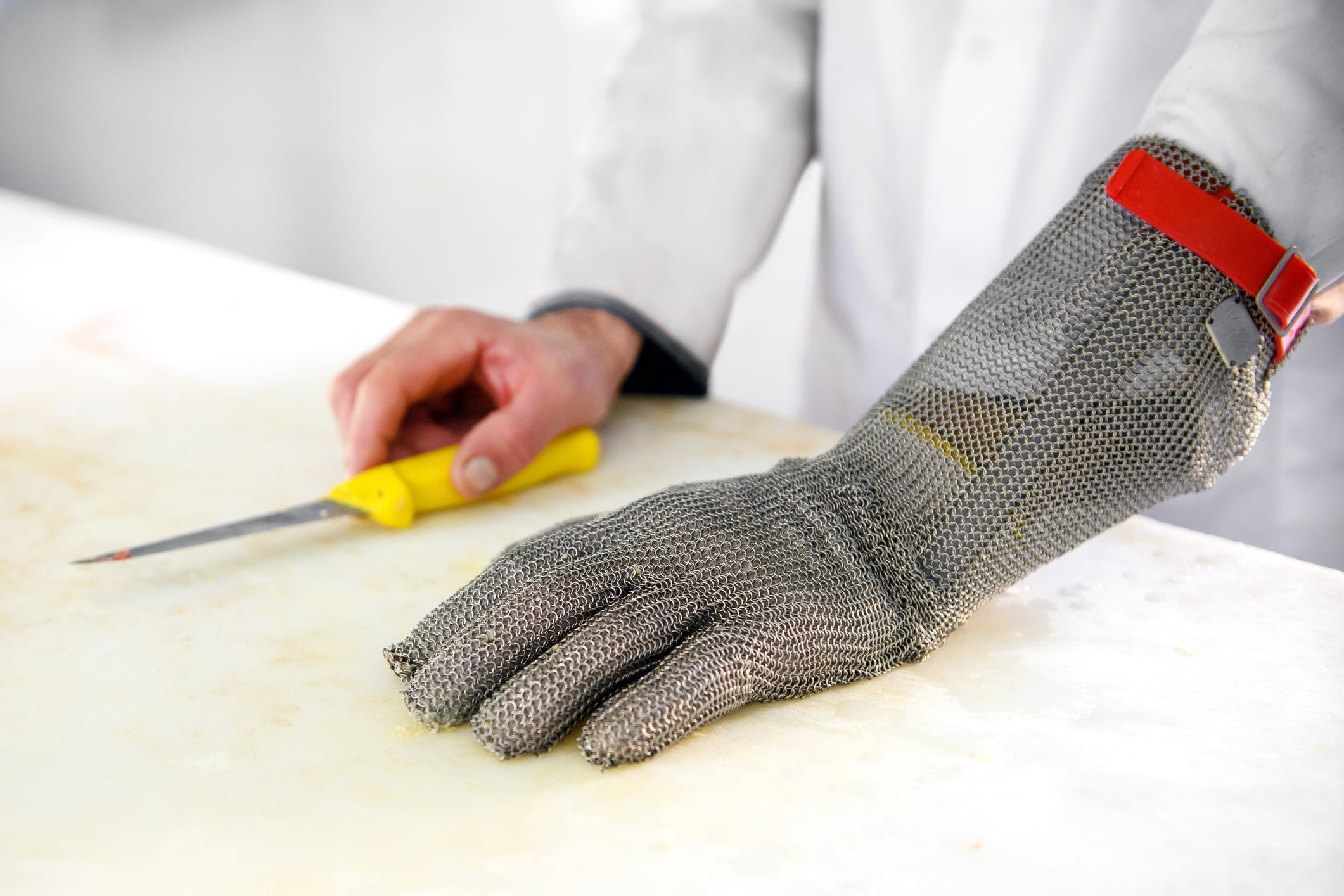
Quick Summary: Cut-resistant sleeves provide forearm and arm protection in workplaces where laceration hazards exist. While cut-resistant gloves protect the hands, many injuries occur higher on the arm during material handling, fabrication, and assembly tasks. This guide explains ANSI cut levels, sleeve materials, coverage options, OSHA considerations, and when cut-resistant sleeves are required.
Why Cut-Resistant Sleeves Are Important
Forearm injuries are common in industries that involve sharp edges, exposed metal, glass, or cutting tools. Workers may be adequately protected at the hand but remain exposed along the wrist, forearm, and upper arm. Cut-resistant sleeves extend protection beyond gloves and help reduce lacerations, punctures, and abrasions.
Cut-resistant sleeves are frequently used in combination with cut-resistant gloves to provide continuous protection from the fingertips to the upper arm.
OSHA Requirements for Arm and Cut Protection
OSHA requires employers to provide appropriate personal protective equipment under 29 CFR 1910.132 and hand protection under 29 CFR 1910.138. While OSHA does not mandate specific cut levels, it requires employers to assess hazards and select PPE that adequately protects against cuts and lacerations.
Cut-resistant sleeves are often required when gloves alone do not provide sufficient coverage.
Understanding ANSI Cut Levels
The ANSI/ISEA 105 standard defines cut resistance levels based on standardized testing. Cut levels range from A1 (lowest) to A9 (highest), indicating the amount of force required to cut through the material.
- A1–A2: Light cut hazards
- A3–A4: Moderate cut hazards
- A5–A6: High cut hazards
- A7–A9: Extreme cut hazards
Common Materials Used in Cut-Resistant Sleeves
HPPE (High-Performance Polyethylene)
HPPE fibers provide excellent cut resistance while remaining lightweight and flexible. They are commonly used in food processing, assembly, and material handling.
Kevlar® and Aramid Fibers
Aramid fibers offer high cut and heat resistance, making them suitable for welding, glass handling, and metal fabrication.
Steel or Glass Fiber Blends
Some sleeves incorporate steel or fiberglass to increase cut resistance for extreme hazards. These sleeves offer maximum protection but reduced flexibility.
Sleeve Lengths and Coverage Options
Cut-resistant sleeves are available in multiple lengths, typically ranging from 10 inches to 22 inches. Longer sleeves provide protection up to the bicep, while shorter sleeves protect the wrist and forearm.
Thumb Holes and Elastic Closures
Many cut-resistant sleeves include thumb holes to prevent sliding and maintain proper coverage during repetitive motion tasks.
Industries That Commonly Require Cut-Resistant Sleeves
- Metal fabrication and stamping
- Glass manufacturing and handling
- Automotive assembly
- Food processing and meat cutting
- Warehousing and logistics
- Recycling operations
Cut-Resistant Sleeves vs Gloves
Gloves protect the hands, while sleeves protect the arms. In high-risk environments, both are often required to achieve full coverage.
When to Replace Cut-Resistant Sleeves
Sleeves should be replaced when they show signs of cuts, holes, thinning, or loss of elasticity. Damaged sleeves may no longer meet their rated cut level.
Cleaning and Maintenance Considerations
Most cut-resistant sleeves can be laundered, but excessive washing may reduce cut resistance over time. Always follow manufacturer care instructions.
People Also Ask
Do cut-resistant sleeves work?
Yes, when properly selected, they significantly reduce arm laceration injuries.
What ANSI cut level sleeve do I need?
The required cut level depends on the hazard severity.
Can cut-resistant sleeves be washed?
Yes, following manufacturer instructions.
Are cut-resistant sleeves heat resistant?
Some materials provide heat resistance.
Does OSHA require cut-resistant sleeves?
OSHA requires appropriate PPE when cut hazards exist.
Author
Mick Chan is a safety supplies industry professional with over 15 years of experience specializing in PPE selection, OSHA compliance, and cut protection solutions for industrial workplaces across California.