Quick Summary: Arc flash hazards pose a serious risk to electrical workers, capable of causing severe burns, blast injuries, and fatalities. OSHA requires employers to protect workers from electrical hazards, and NFPA 70E establishes widely accepted guidelines for arc flash protection. This guide explains arc flash hazards, PPE categories, arc ratings, required protective gear, and employer compliance responsibilities.
What Is an Arc Flash?
An arc flash is a sudden release of electrical energy through the air caused by a fault in an electrical system. It produces extreme heat, intense light, pressure waves, and molten metal. Temperatures during an arc flash can exceed 35,000°F, hot enough to vaporize metal and cause life-threatening injuries in a fraction of a second.
Arc flash incidents most commonly occur during equipment installation, maintenance, testing, or troubleshooting when energized components are exposed.
Why Arc Flash Protection Is Critical
Arc flash injuries often result in severe burns, hearing damage, blindness, and long-term disability. Even workers who survive may experience permanent nerve damage and psychological trauma.
Proper arc flash PPE reduces burn severity and provides valuable time for workers to escape the hazard.
OSHA Requirements for Arc Flash Protection
OSHA enforces arc flash safety under 29 CFR 1910 Subpart S and the General Duty Clause. While OSHA does not mandate specific PPE categories, it requires employers to assess electrical hazards and provide appropriate protective equipment.
OSHA frequently references NFPA 70E as a recognized industry standard for electrical safety in the workplace.
What Is NFPA 70E?
NFPA 70E is the Standard for Electrical Safety in the Workplace. It provides detailed guidance on arc flash hazard analysis, safe work practices, and PPE selection.
NFPA 70E defines arc flash PPE categories based on incident energy levels measured in calories per square centimeter (cal/cm²).
Understanding Arc Ratings (cal/cm²)
The arc rating of PPE indicates the maximum incident energy the material can withstand before causing a second-degree burn. Higher arc ratings provide greater protection.
All arc-rated clothing and equipment must be clearly labeled with its arc rating.
Arc Flash PPE Categories Explained
PPE Category 1
Minimum arc rating: 4 cal/cm². Typically includes arc-rated shirts, pants, and face protection.
PPE Category 2
Minimum arc rating: 8 cal/cm². Requires arc-rated clothing, balaclavas, and face shields.
PPE Category 3
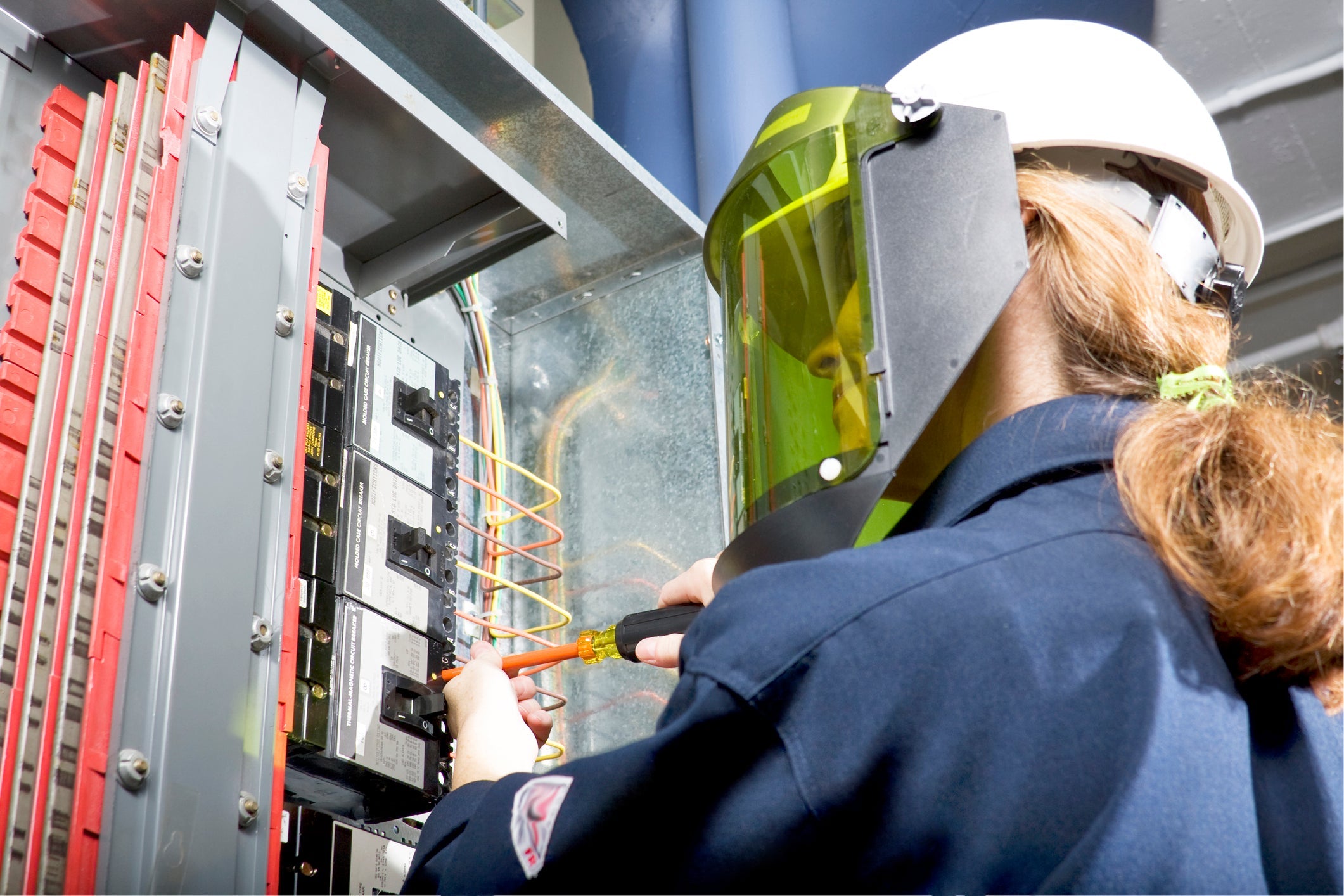
Minimum arc rating: 25 cal/cm². Requires arc flash suits with hood, gloves, and full body protection.
PPE Category 4
Minimum arc rating: 40 cal/cm². Highest level of protection, including full arc flash suits.
Required Arc Flash PPE Components
- Arc-rated shirts and pants
- Arc flash suits and hoods
- Arc-rated face shields
- Insulated rubber gloves with leather protectors
- Hearing protection
- Safety footwear
Common Arc Flash PPE Mistakes
- Wearing non-arc-rated base layers
- Improper glove class selection
- Using damaged or contaminated PPE
- Ignoring arc rating labels
Training and Employer Responsibilities
Employers must train workers on arc flash hazards, PPE selection, inspection, and maintenance. Written electrical safety programs are required under OSHA.
When Arc Flash PPE Must Be Replaced
Arc-rated PPE must be replaced if damaged, contaminated with flammable substances, or after exposure to an arc flash incident.
People Also Ask
Is arc flash PPE required by OSHA?
OSHA requires appropriate protection from electrical hazards, including arc flash.
What does cal/cm² mean?
It measures the thermal energy exposure during an arc flash.
What PPE category do electricians need?
It depends on the incident energy level.
Can arc-rated clothing be washed?
Yes, following manufacturer instructions.
Does NFPA 70E apply to OSHA?
OSHA references NFPA 70E as an industry standard.
Author
Mick Chan is a safety supplies industry professional with over 15 years of experience advising businesses on electrical safety compliance, arc flash hazard mitigation, and PPE selection across California.