Quick Answer
Bulk PPE buying works best when safety supplies are standardized by hazard, task, size range, and replacement rate before orders are placed. The goal is not just a lower unit price. The goal is fewer stockouts, fewer mismatched products, cleaner compliance records, and PPE that workers can actually use.
Start with a hazard assessment, identify approved products by category, assign minimum stock levels, and keep replacement supplies close to the work areas where PPE is used. OSHA requires PPE to be appropriate for the hazards and maintained in sanitary, reliable condition, so purchasing should support both initial issue and ongoing replacement.
Bulk PPE Buying Framework
| Step | What to decide | Why it matters |
|---|---|---|
| 1. Hazard map | Which teams face impact, splash, cut, noise, visibility, respiratory, or chemical hazards? | PPE must match the actual task, not a generic department name. |
| 2. Approved list | Which models, sizes, ratings, and colors are approved? | Standardization reduces confusion and substitute buying. |
| 3. Usage rate | How fast are gloves, glasses, earplugs, vests, and respirators consumed? | Bulk orders should reflect replacement reality. |
| 4. Storage plan | Where will PPE be staged? | Workers replace damaged PPE faster when supplies are accessible. |
| 5. Review cycle | When will products, hazards, and supplier data be reviewed? | Work changes, and PPE programs need updates. |
Start With The PPE Hazard Assessment
OSHA’s PPE rules require employers to assess the workplace for hazards and select PPE that protects affected employees. A bulk purchase should reflect that assessment. Buying the same glove, goggle, vest, or respirator for every team may look efficient but can create poor fit between product and hazard.
For example, packing teams may need cut-resistant gloves with dexterity, chemical teams may need material-specific gloves, warehouse workers may need high-visibility apparel, and maintenance teams may need eye, hearing, and respiratory protection depending on the work order.
Standardize By Category
Build an approved PPE list with enough detail to avoid accidental substitutions. Include product category, hazard controlled, rating or class, size range, color, compatible accessories, replacement trigger, and preferred storage location. For respiratory protection, include only respirator and cartridge combinations approved for the program and hazard.
Standardization should still allow worker fit. Gloves, eyewear, vests, and respirators are not one-size-fits-all. A narrow purchasing list that excludes needed sizes can reduce compliance.
Set Minimum And Reorder Levels
Disposable gloves, earplugs, safety glasses, and high-visibility apparel can move quickly. Track consumption by team and season. High-use PPE should have a minimum stock level, reorder point, and backup item approved before the shelf is empty.
For multi-site teams, separate core stock from project-specific PPE. Core stock covers known recurring hazards. Project stock covers special work such as chemical cleaning, confined-area tasks, elevated work, extreme heat, or temporary traffic exposure.
Buying Checklist
- Confirm each PPE category is tied to a hazard and task.
- List approved product models, ratings, colors, and sizes.
- Identify items that require fit testing, training, or program controls.
- Set reorder points for high-use consumables.
- Place PPE at issue points, supervisor stations, vehicles, or tool rooms.
- Track damaged, expired, contaminated, or missing PPE.
- Review substitutions before they enter the workplace.
Common Mistakes To Avoid
Do not chase bulk price without checking product rating, fit, and hazard match. Do not let procurement substitute similar-looking PPE without safety review. Do not keep all inventory in a central office if workers need replacement PPE on the floor. Also avoid ignoring seasonal demand: heat, cold, rain, traffic work, and shutdown maintenance can change usage quickly.
FAQ
What PPE should be bought in bulk?
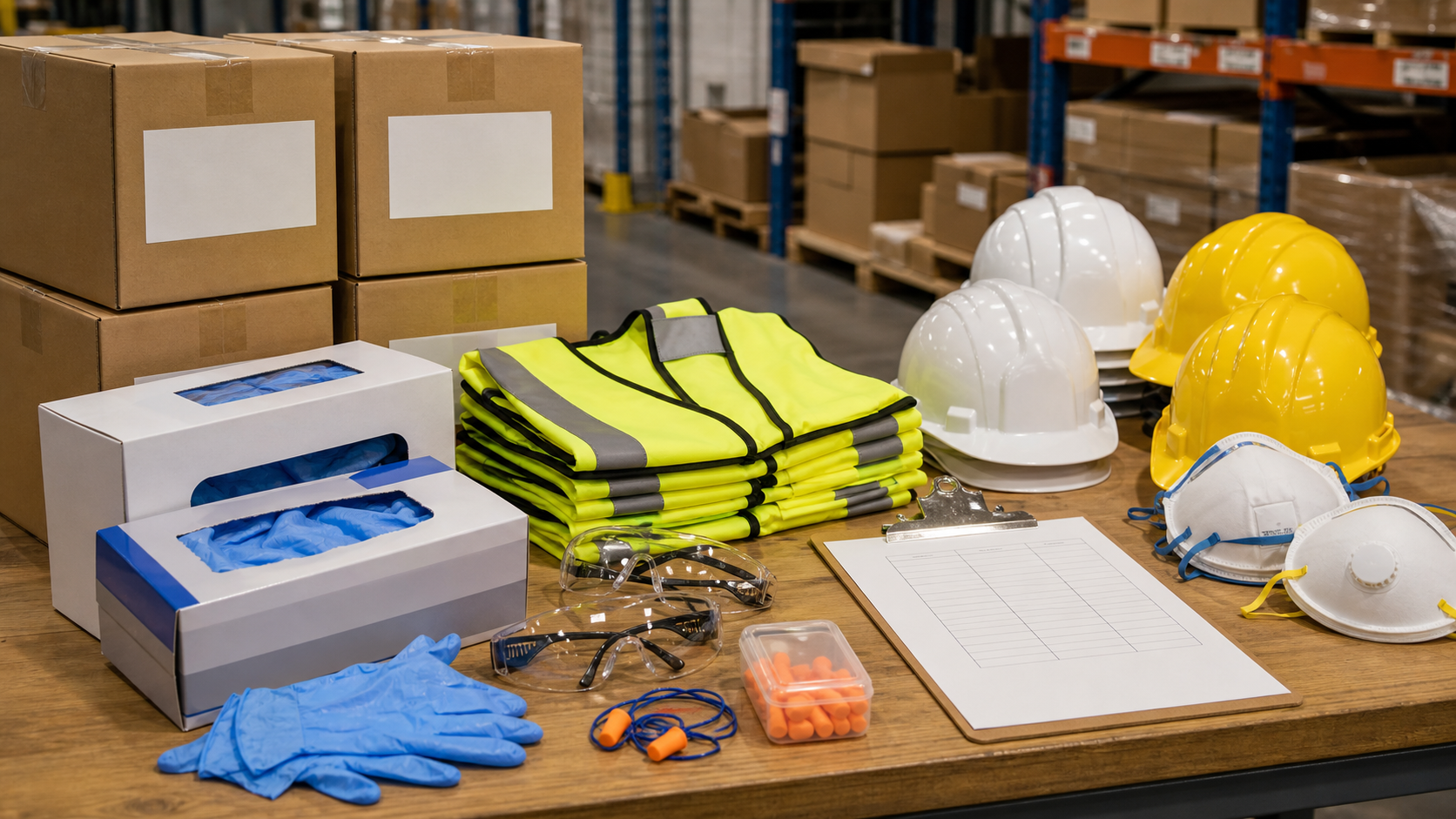
High-use and recurring items such as disposable gloves, safety glasses, earplugs, high-visibility apparel, work gloves, and hard hats are common bulk candidates. Specialized PPE should still be purchased based on hazard and program requirements.
How do you standardize PPE across teams?
Start with hazards and tasks, then create an approved product list by category, rating, size range, storage location, and replacement trigger.
Is bulk PPE always cheaper?
Not if the wrong products are purchased. Bulk buying only works when the product is approved, used regularly, fits workers, and matches the hazard.
Mick Chan Bio
Mick Chan contributes practical safety supply guidance for eSafetySupplies.com, helping buyers compare PPE by hazard, task, compliance context, and day-to-day usability. His content is written to support safer purchasing decisions and should be paired with site-specific safety review.
Final CTA
Need to standardize PPE purchasing across teams or locations? Compare gloves, safety glasses, hard hats, high-visibility apparel, hearing protection, respirators, and related safety supplies at eSafetySupplies.com, then build your approved list around workplace hazards and replacement rates.
Sources: OSHA 29 CFR 1910.132, OSHA PPE overview, NIOSH Hierarchy of Controls.