
Quick Summary
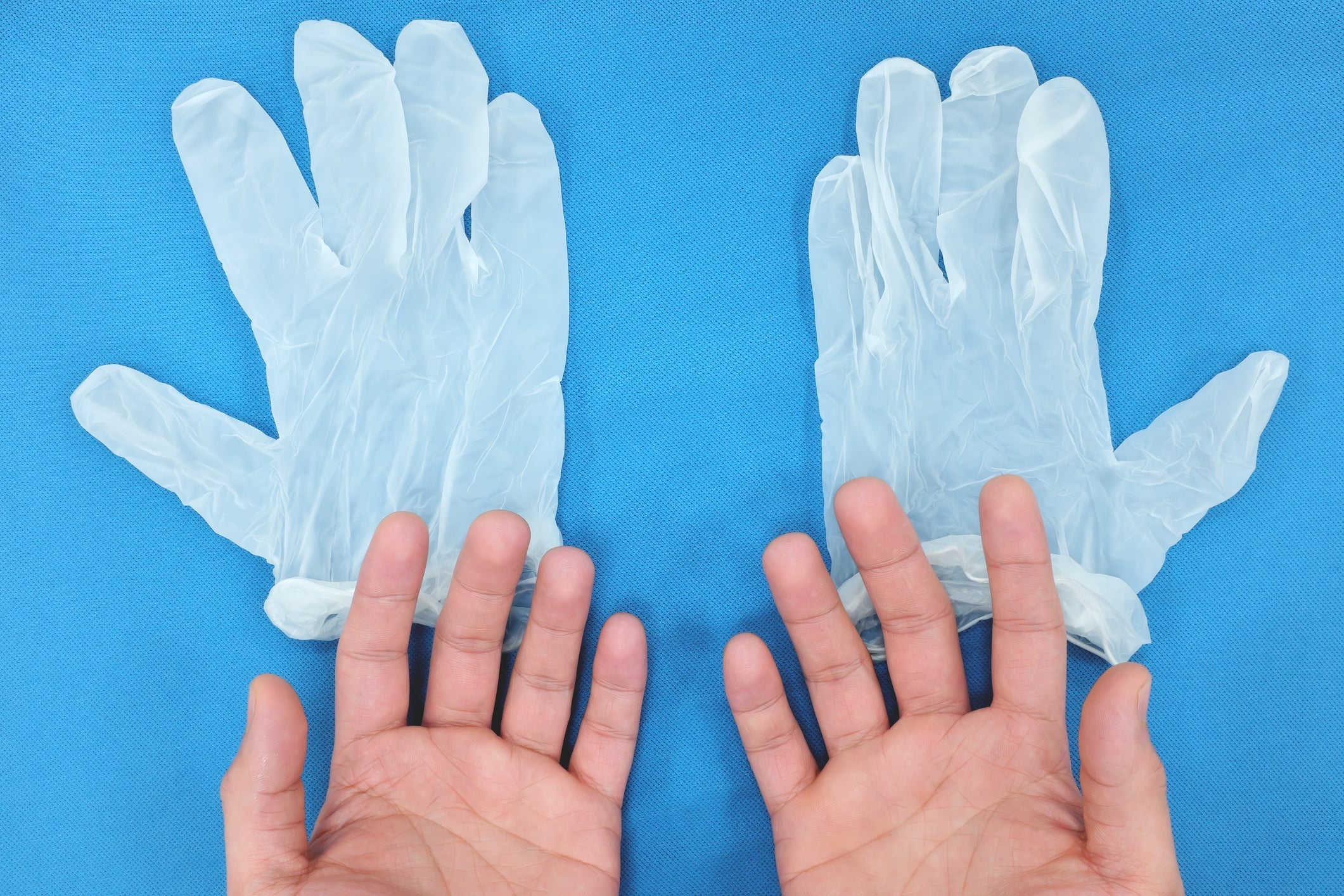
Proper glove sizing ensures safety, comfort, and durability. Disposable gloves are typically available in sizes XS through XXL. To determine your size, measure the circumference of your dominant hand at the widest point (excluding the thumb) and compare it to manufacturer sizing charts. Gloves that are too tight may tear easily, while oversized gloves reduce dexterity and grip control.
Why Proper Glove Fit Matters
Disposable gloves function as protective barriers. If gloves fit incorrectly, protection and performance are compromised.
Poor glove fit can result in:
- Reduced tactile sensitivity
- Hand fatigue during extended wear
- Increased tear risk
- Compromised chemical protection
- Reduced grip control
Proper sizing improves both safety and productivity.
Standard Disposable Glove Sizes
Most disposable gloves are available in:
- Extra Small (XS)
- Small (S)
- Medium (M)
- Large (L)
- Extra Large (XL)
- XXL (varies by manufacturer)
Sizes are typically based on palm width measurement.
How to Measure Your Hand for Gloves
Step 1: Measure Palm Circumference
Wrap a flexible measuring tape around the widest part of your palm, excluding the thumb.
Step 2: Measure Hand Length
Measure from the tip of your middle finger to the base of your palm.
Step 3: Compare to Size Chart
| Glove Size | Palm Circumference (inches) |
|---|---|
| XS | 6–7 inches |
| S | 7–8 inches |
| M | 8–9 inches |
| L | 9–10 inches |
| XL | 10–11 inches |
| XXL | 11+ inches |
Always review manufacturer-specific charts when available.
Signs Your Gloves Are Too Small
- Difficulty putting gloves on
- Excessive stretching at fingertips
- Frequent tearing
- Hand fatigue
- Restricted circulation
Gloves that are too tight compromise durability and user comfort.
Signs Your Gloves Are Too Large
- Loose fingertips
- Reduced grip strength
- Slipping during tasks
- Wrinkling around palm
Oversized gloves reduce dexterity and precision.
Does Material Affect Fit?
Yes. Different materials stretch differently:
- Nitrile: Moderate stretch, strong memory retention
- Latex: High elasticity and flexibility
- Vinyl: Less stretch, looser fit
Latex gloves often feel more form-fitting, while vinyl gloves may feel looser even at the same size.
Learn more about material differences:
Glove Fit in Different Industries
Healthcare
Precise fit is critical for dexterity during examinations and procedures.
Automotive & Mechanical
Snug fit prevents glove rotation when handling tools and machinery.
Food Service
Comfort and easy donning/removal are essential during high-volume shifts.
Industrial & Warehouse
Proper sizing reduces tear frequency during repetitive tasks.
How Thickness (Mil Rating) Impacts Fit
Thicker gloves (6–8+ mil) may feel slightly tighter due to material density. Users may prefer sizing up for heavy-duty gloves.
Review thickness details:
OSHA Considerations for Proper Glove Fit
Under OSHA 29 CFR 1910.138, employers must ensure hand protection fits employees properly to provide effective protection.
Reference: OSHA Hand Protection Standard
Tips for Employers Ordering Gloves in Bulk
- Survey employee hand sizes before ordering
- Stock multiple sizes
- Monitor tear frequency
- Track usage patterns
- Reevaluate fit annually
Offering multiple sizes improves safety compliance and reduces waste.
People Also Ask
How do I know my glove size?
Measure the circumference of your palm at its widest point and compare it to a manufacturer sizing chart.
Should gloves fit tight or loose?
Gloves should fit snugly without restricting circulation or causing excessive stretching.
Do nitrile gloves run small?
Nitrile gloves may feel slightly snug compared to latex due to lower elasticity.
What happens if gloves are too tight?
Tight gloves are more likely to tear and may cause discomfort or reduced hand circulation.
Can oversized gloves reduce protection?
Yes, loose gloves reduce dexterity and may increase the risk of snagging or slipping.
Conclusion
Proper glove sizing is essential for safety, performance, and cost efficiency. Measuring hand circumference and selecting the appropriate size ensures durability, comfort, and compliance with workplace safety standards. Whether for healthcare, industrial, or food service environments, correct glove fit enhances protection and productivity.
Author
Mick Chan is a Safety Supplies industry professional with over 15 years of experience specializing in OSHA compliance, PPE standards, and industrial safety procurement. Based in California, Mick advises businesses across healthcare, manufacturing, and commercial sectors on practical hand protection solutions.