
Quick Summary
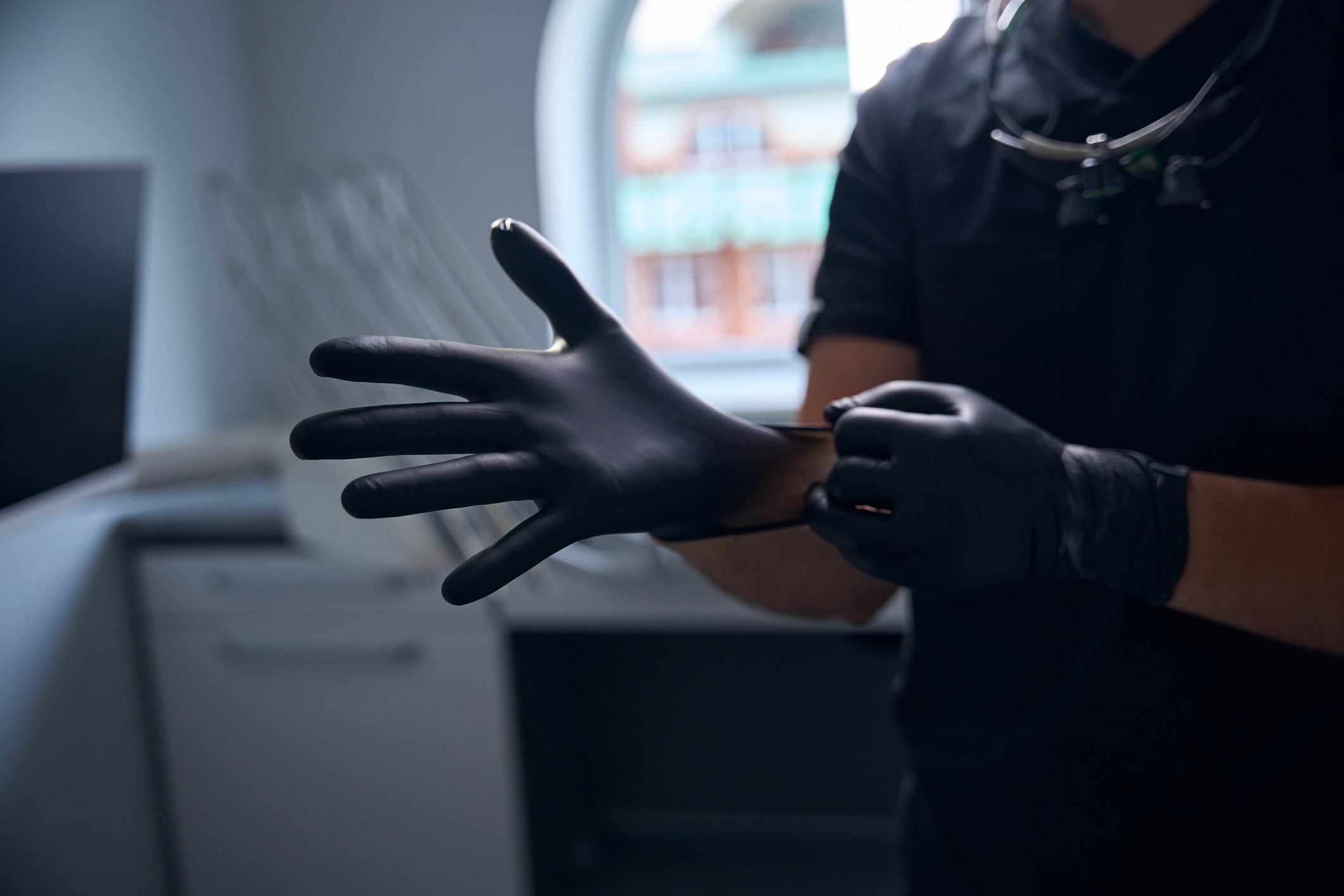
Black nitrile gloves are not inherently stronger than other nitrile gloves, but they are often manufactured in thicker mil ratings for industrial use. They offer the same chemical resistance and puncture protection as standard nitrile gloves, with added visual advantages in automotive, tattoo, and high-visibility work environments. The difference lies in thickness, application, and branding—not color alone.
Why Black Nitrile Gloves Are So Popular
Black nitrile gloves have become the preferred choice in automotive repair shops, tattoo studios, barber shops, and industrial environments. Their dark color hides grease, oil, ink, and stains, providing a professional appearance during extended use.
However, many buyers assume black gloves are stronger or more protective. The reality is more nuanced.
Are Black Nitrile Gloves Stronger?
Color alone does not determine strength. The key factors affecting glove performance are:
- Material composition (nitrile formulation)
- Thickness (mil rating)
- Manufacturing quality standards
- Textured grip features
Many black nitrile gloves are manufactured in 6–8 mil thickness, which contributes to the perception of added durability. Standard blue nitrile gloves may range from 4–6 mil.
Review thickness guidance:
Performance Characteristics of Black Nitrile Gloves
Puncture Resistance
Nitrile material provides superior puncture resistance compared to latex and vinyl. Black nitrile gloves perform equally to other nitrile gloves of the same thickness.
Chemical Resistance
Nitrile gloves offer strong resistance to oils, grease, fuels, and many solvents. Black nitrile gloves are frequently chosen for automotive and industrial settings due to this property.
Grip & Texture
Many black nitrile gloves feature textured fingertips or diamond grip patterns to improve handling in wet or oily conditions.
Explore available options:
Industries That Prefer Black Nitrile Gloves
Automotive & Mechanical
- Hides grease and oil stains
- Thicker mil ratings available
- Professional shop appearance
Tattoo & Body Art
- High-contrast visibility against skin
- Professional aesthetic
- Latex-free safety
Janitorial & Maintenance
- Durability for cleaning chemicals
- Improved grip
Food Service (Selective Use)
Black gloves are sometimes used in front-of-house food prep for visual appeal, but blue gloves are more common for contamination visibility.
Common Myths About Black Nitrile Gloves
Myth 1: Black Means Heavy-Duty
Color does not determine durability. Thickness and manufacturing standards do.
Myth 2: Black Gloves Are More Chemical Resistant
Chemical resistance depends on nitrile formulation and thickness, not pigmentation.
Myth 3: Black Gloves Are Only for Automotive Use
Black nitrile gloves are versatile and used across multiple industries.
Thickness Matters More Than Color
| Mil Thickness | Typical Use | Durability Level |
|---|---|---|
| 4–5 mil | General-purpose, light industrial | Moderate |
| 6 mil | Automotive, maintenance | High |
| 7–8+ mil | Heavy-duty industrial work | Very High |
When selecting black nitrile gloves, confirm the mil rating rather than relying on color alone.
Regulatory & Safety Considerations
Employers must comply with OSHA’s hand protection requirements under 29 CFR 1910.138. Proper glove selection should match workplace hazards.
Reference: OSHA Hand Protection Standard
When Should You Choose Black Nitrile Gloves?
Choose black nitrile gloves when:
- Working with grease or oils
- Professional appearance matters
- High-contrast visibility improves safety
- Heavy-duty durability is required
If contamination visibility is critical (e.g., food processing), blue nitrile gloves may be preferred.
Cost Considerations
Black nitrile gloves may carry slightly higher pricing due to branding and heavier mil construction. However, thicker gloves may reduce tear frequency and lower overall glove usage.
Evaluate cost per use rather than cost per box.
People Also Ask
Are black nitrile gloves thicker?
Many black nitrile gloves are manufactured in thicker mil ratings (6–8 mil), but thickness varies by product, not color alone.
Why do mechanics use black nitrile gloves?
Black gloves hide grease and oil stains, providing a professional appearance during automotive repairs.
Are black nitrile gloves food safe?
Yes, if labeled food-safe and compliant with FDA food-contact regulations.
Do black gloves have better grip?
Grip depends on texture design rather than color. Many black gloves feature textured fingertips or diamond patterns.
Are black nitrile gloves latex-free?
Yes, nitrile gloves are synthetic and do not contain natural latex.
Conclusion
Black nitrile gloves are not inherently stronger due to color, but they are often manufactured for heavy-duty industrial use. Their popularity stems from durability, professional appearance, and stain concealment. When selecting gloves, prioritize material type and thickness over color to ensure proper protection and compliance.
Author
Mick Chan is a Safety Supplies industry professional with over 15 years of experience specializing in OSHA compliance, PPE standards, and industrial safety procurement. Based in California, Mick advises automotive, manufacturing, and commercial businesses on selecting appropriate hand protection solutions.