Quick Answer
An FR-labeled safety vest is not automatically arc-rated. A high-visibility vest may be tested for visibility or flame behavior without having the arc rating required for a specific electrical exposure. Start with the job hazard assessment, then verify the exact vest's visibility classification, flame-resistance claims, and arc rating in the manufacturer's documentation.
Who This Guide Is For
This guide is for buyers who need workers to be seen and may also face heat, flame, or electrical hazards. It does not assign a PPE category to a job or replace a qualified electrical-safety assessment, employer program, applicable OSHA requirements, or the garment manufacturer's instructions.
Three Different Claims on One Garment
The wording on a vest can look reassuring at a glance. It helps to separate the claims before comparing prices.
High visibility concerns conspicuity. ANSI/ISEA 107 is a high-visibility apparel standard with garment types and performance classes. A visibility class does not establish protection from thermal energy.
Flame resistance describes a material's behavior under specified test conditions. The standard cited on a product matters: an NFPA 701 flame-resistance claim is not an arc rating. A vest can carry an FR statement and still be explicitly marked not rated for arc exposure.
Arc rating is a separate performance measure for garments intended for an electric-arc hazard. The protection required depends on the assessed exposure and the complete clothing system. Do not infer an arc rating from reflective tape, heavy fabric, or an FR label.
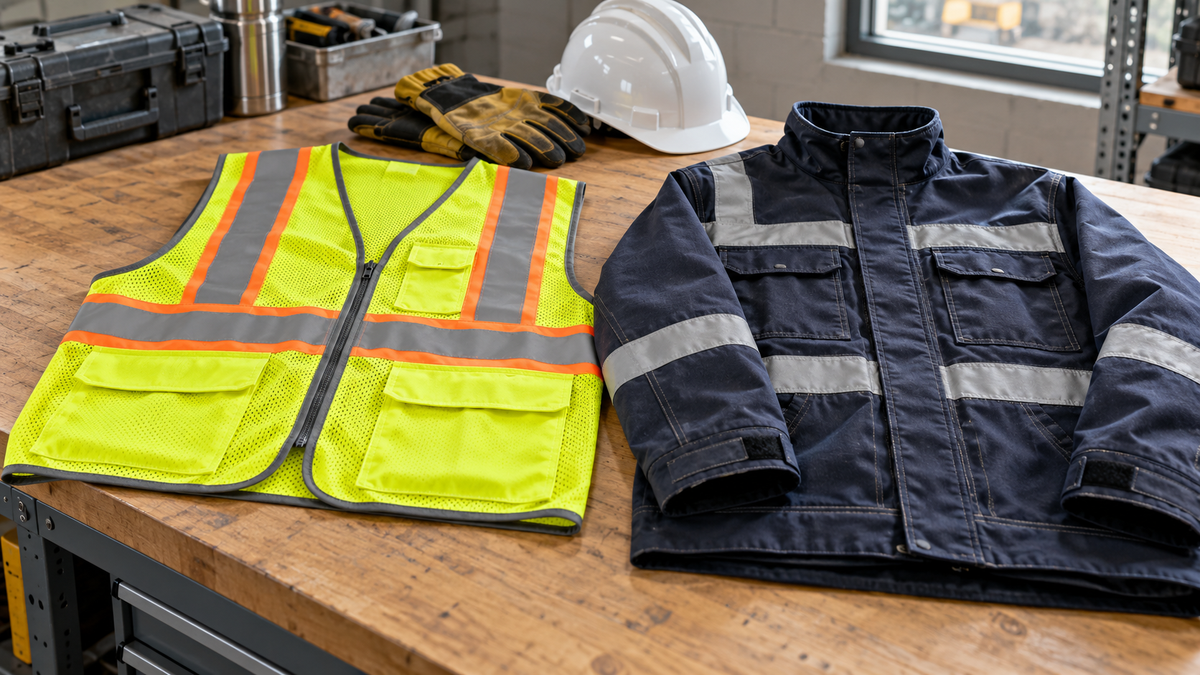
One ESS surveyor vest provides a concrete example: its listing says NFPA 701 fire resistant and also says not rated for arc. That makes it an inappropriate substitute for documented arc-rated apparel where an arc-rated outer layer is required.
Why the Outer Layer Matters
When workers wear a vest over other protective clothing, the vest is part of the clothing system. OSHA's electric-power guidance addresses clothing that can melt, ignite, or continue to burn under an arc exposure. A buyer cannot assume an ordinary high-visibility layer is harmless merely because an arc-rated shirt sits underneath it.
The right decision is site-specific. Have the qualified safety or electrical lead identify the exposure and approve the complete layering arrangement, including vest, jacket, rainwear, and reflective components. Ask the garment maker for documentation covering the exact model, not a similar item in the catalog.
Comparison at a Glance
| Product claim | Buyer should verify | Do not infer |
|---|---|---|
| ANSI/ISEA 107 class | Exact type/class and size coverage | FR or arc protection |
| FR or NFPA 701 | Named test and garment-level documentation | An arc rating |
| Arc-rated | Exact garment arc rating and required system | That it also meets the required visibility class |
| Reflective trim | Visibility performance and care instructions | Thermal performance |
Some jobs require both visibility and arc protection. In that case, procure a garment documented for both applicable needs rather than treating one label as a proxy for the other.
A Five-Step Purchase Check
- Define the work. Identify traffic exposure, heat or flame sources, electrical tasks, weather, and whether the vest sits over other PPE.
- Confirm visibility needs. Record the garment type and performance class specified by your work-zone or employer requirements. The Class 2 vs. Class 3 guide can help frame the visibility question.
- Document thermal requirements separately. Have a qualified lead identify whether the job needs FR, arc-rated apparel, or both. Record the required garment rating and any layering restrictions.
- Read the exact SKU's label and technical sheet. Look for an explicit arc rating where arc protection is required. An “FR” title or flame test alone is not enough.
- Check fit and upkeep. Choose a size that closes over the intended layers without restricting movement. Follow the maker's cleaning, inspection, and replacement directions; damaged reflective material and altered garments may no longer perform as specified.
Keep the documentation with the purchase record so the next reorder does not silently substitute a different vest. If no suitable vest meets both requirements, ask the safety lead to specify a compliant high-visibility outer garment or another approved clothing arrangement.
Frequently Asked Questions
Does NFPA 701 mean a vest is arc-rated?
No. NFPA 701 flame-resistance testing is not an arc rating. Check the manufacturer's explicit arc rating for the exact garment when an arc hazard is present.
Can I wear a regular safety vest over arc-rated clothing?
Do not assume so. The outer layer is part of the clothing system and may affect exposure. Follow the employer's hazard assessment and a qualified safety lead's garment specification.
Does ANSI/ISEA 107 Class 3 mean the vest protects from flame?
No. Class 3 addresses high-visibility performance, not flame or arc protection. Evaluate those properties separately.
Final CTA
Browse eSafetySupplies safety vests with the job's visibility and thermal requirements in hand. If the listing does not explicitly document the needed rating for the exact SKU, ask for the current manufacturer sheet before ordering.
About Mick Chan: Mick Chan contributes safety supply guidance for eSafetySupplies content, with a focus on practical PPE selection, workplace readiness, and helping teams connect safety requirements to the right supplies. His review perspective is included to keep recommendations grounded in real purchasing and jobsite use.