Quick Answer
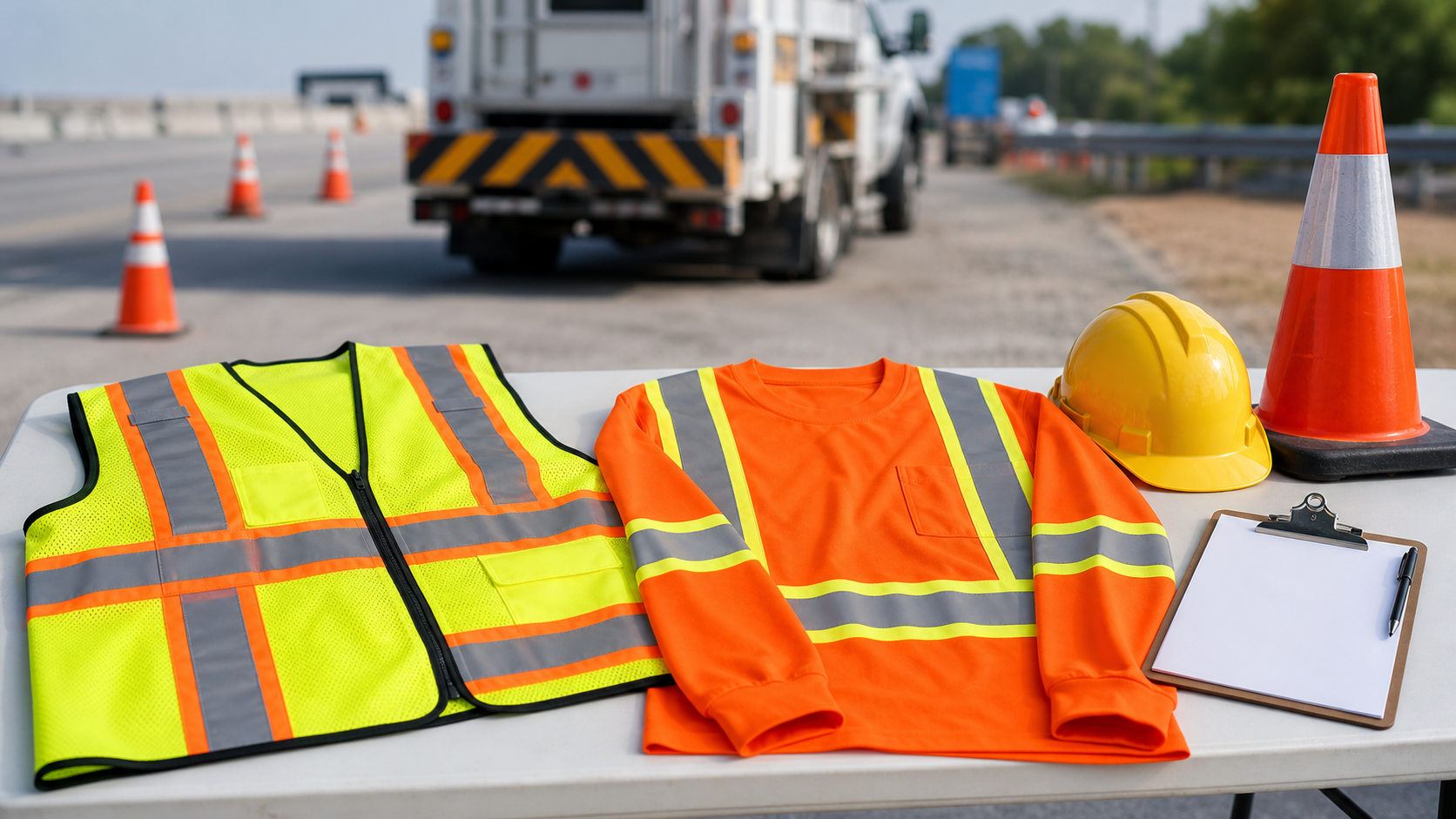
Class 2 and Class 3 high-visibility apparel are both designed to help workers stand out, but they are not the same level of visibility. Class 2 safety vests are commonly used where workers need more visibility than basic off-road apparel, especially around traffic, equipment, and complex backgrounds. Class 3 apparel provides the highest visibility class in the ANSI/ISEA high-visibility system and normally includes more visible material around the body, arms, or legs so workers can be recognized more easily at greater distance and in higher-risk conditions.
For buyers, the practical difference is this: choose the class based on the work zone, traffic exposure, speed, visibility conditions, task complexity, and site rules. Do not choose only by color or price.
Class 2 vs Class 3 At A Glance
| Item | Class 2 | Class 3 |
|---|---|---|
| Typical garment style | High-visibility vest, shirt, or jacket | High-visibility shirt, jacket, coverall, or ensemble with more body outline |
| Common use case | Roadside work, warehouse yards, utility work, traffic control support, equipment areas | Higher-speed traffic, complex work zones, low visibility, emergency response, high-risk roadway exposure |
| Visibility goal | Make the worker clearly visible against the background | Make the worker more conspicuous and recognizable as a person at longer distance |
| Buying risk | Underspecifying for higher-risk work zones | Buying more garment than needed when Class 2 is sufficient and more practical |
What The Standards Are Trying To Solve
High-visibility apparel is used when workers need to be seen by drivers, equipment operators, forklift operators, and other moving traffic. The ANSI/ISEA 107 standard is the main U.S. consensus standard for high-visibility safety apparel and accessories. It defines garment performance classes and design requirements so buyers are not relying only on vague terms like “reflective vest” or “bright shirt.”
The Federal Highway Administration’s Manual on Uniform Traffic Control Devices has long required workers within the public right-of-way who are exposed to traffic or construction equipment to wear high-visibility safety apparel that meets ANSI/ISEA 107 Class 2 or Class 3 performance. Local, state, contract, or employer rules may be more specific.
When Class 2 Safety Vests Usually Fit
Class 2 apparel is often selected for workers who need strong visibility but are not in the highest-risk roadway conditions. Common examples include warehouse yards, delivery areas, parking lots, lower-speed traffic control, maintenance crews, utility work, landscaping near roads, and jobsites where equipment operators need to identify workers quickly.
Class 2 is also common because vests are easy to stock, size, replace, and wear over normal work clothing. For many teams, a Class 2 vest is the practical baseline for visitors, supervisors, warehouse employees, and short-duration outdoor tasks.
When Class 3 Is The Better Choice
Class 3 apparel is used when workers need the highest visibility class, especially where traffic moves faster, sight distance is limited, weather is poor, lighting is low, or the worker’s body outline must be easier to recognize. Class 3 garments often use sleeves, full jackets, coveralls, or compliant ensembles so retroreflective and background material shows more of the worker’s shape.
Use Class 3 when the hazard assessment, project specification, roadway authority, or employer policy requires it. It can be the better choice for night work, emergency response, highway construction, flagging, and work where drivers or equipment operators need more time to detect and react.
Color, Tape, And Fit Still Matter
Class is not the only buying decision. Garment color should contrast with the work background. Reflective tape layout should help show body movement and worker orientation. Fit should allow full range of motion without creating snag hazards. For cold, rain, or night work, consider jackets, rainwear, or layered apparel that keeps the high-visibility layer outermost.
Buyer Checklist
- Confirm whether the job requires ANSI/ISEA 107 apparel.
- Check project, state DOT, customer, or employer rules before ordering.
- Match Class 2 or Class 3 to traffic speed, distance, lighting, weather, and equipment exposure.
- Choose fluorescent yellow-green, orange-red, or red based on background contrast and site rules.
- Stock sizes that fit over normal work clothing and seasonal layers.
- Replace garments when faded, torn, dirty, or no longer visibly reflective.
- Keep extra vests available for visitors, subcontractors, and temporary crews.
Common Mistakes To Avoid
Do not assume any bright vest is automatically compliant. Check the label and product listing for the applicable standard and class. Do not assume Class 3 is always required; overbuying can reduce comfort and compliance if workers avoid bulky gear. Also avoid letting dirty or faded apparel stay in service. A high-visibility garment that is no longer highly visible is not doing its job.
FAQ
Is Class 3 better than Class 2?
Class 3 provides a higher visibility class, but “better” depends on the hazard. For higher-speed traffic, low light, and complex work zones, Class 3 may be appropriate. For many lower-risk tasks, Class 2 may be the correct and more practical choice.
Can a safety vest be Class 3?
Many Class 3 garments use sleeves or an ensemble approach because the standard requires more visible body outline than a basic vest. Check the product label and manufacturer documentation for the actual class.
What color safety vest is best?
The best color is the one that contrasts with the background and meets the site rule. Fluorescent yellow-green and fluorescent orange-red are common choices.
Mick Chan Bio
Mick Chan contributes practical safety supply guidance for eSafetySupplies.com, helping buyers compare PPE by hazard, task, compliance context, and day-to-day usability. His content is written to support safer purchasing decisions and should be paired with site-specific safety review.
Final CTA
Need high-visibility vests, shirts, jackets, or traffic safety apparel? Compare Class 2 and Class 3 options at eSafetySupplies.com, then match the garment to your work zone, traffic exposure, and site requirements before ordering.
Sources: ANSI/ISEA 107-2020, FHWA Manual on Uniform Traffic Control Devices, OSHA Roadway Safety.