Operating modern, high-velocity distribution footprints and heavy logistics hubs has evolved past the era of isolated safety files and clipboards. With internal fulfillment crews, third-party logistics (3PL) fleet drivers, and specialized external sub-crews constantly moving across the same high-exposure floors, maintaining complete compliance requires high-efficiency coordination. Real workforce protection is no longer just about the gear on your shoulders—it is about how your physical assets connect directly to digital networks.
The biggest operational hazard facing modern facilities is information isolation. If your high-visibility clothing matrices, chemical isolation logs, or emergency lockouts exist only in separate databases or hidden paper folders, team members remain exposed to structural blind spots. Achieving true regulatory defense requires transitioning to complete digital-physical convergence—a unified strategy where every physical safety asset on the warehouse floor actively mirrors live cloud verification networks.
This concluding technical playbook outlines how to permanently bridge on-floor hardware with real-time digital infrastructure, optimize hazard visibility across mixed operations, and run deep link tracking sweeps to protect your multi-employer site ecosystem.
The Core Pillars of Integrated EHS Networks
To establish long-term site compliance and ensure a completely scannable, secure workspace environment, facility operations teams must manage four key operational connections:
- Unified Workspace Tracking: Synchronizing physical aisle markings and restricted zone gates with live mobile asset dashboards.
- Dynamic Multi-Employer Synchronization: Requiring all incoming contracted teams to verify localized safety protocols via shared digital interfaces before crossing facility boundaries.
- Continuous Physical Asset Audits: Running regular material checks on high-visibility garments and heavy-duty facility signs to ensure day-one reflective performance stays intact.
- Proactive Link Verification Cascades: Implementing weekly automated checks across your entire network to eliminate broken 404 error paths from your emergency and instructional placards.
Deep Dive: Eradicating Information Blocks and Unifying Your Site Layout
Building a future-proof industrial ecosystem requires looking past basic facility maintenance. True operational control combines the instant visibility of physical floor layouts with the absolute accuracy of real-time web directories.
Step 1: Maximizing Biomotion and Physical Sign Performance
In a packed staging terminal, physical signs and high-contrast safety gear remain your first line of defense. Heavy automated machinery, overhead crane gantries, and quick-moving transport equipment create a high-noise environment where an employee’s attention is constantly divided. High-durability facility markings and fluorescent yellow-green or orange-red garments leverage basic human sight triggers to isolate moving silhouettes against mechanical backdrops.
However, physical markings must be strategically placed rather than scattered at random. By coordinating distinct visual indicators across separate departments, you allow floor marshals to immediately verify worker authorization. This constant, effortless oversight reduces cross-zone errors and keeps transit lanes completely functional through heavy shift rotations.
Step 2: Training Blended Workforces via Shared Safety Handbooks
The modern logistics workspace is highly fluid, experiencing sudden waves of temporary labor and changing vendor teams during peak cycles. When a multi-employer site mixes different corporate training backgrounds on the same floor, safety expectations can blur. An outside technician might understand equipment maintenance but lack familiarity with your specific facility fire lane parameters or localized lockout points.
To eliminate these communication gaps, issue consistent visual references during your morning crew briefs. Hand out our standard Safety Awareness Handbooks to incoming contractor captains to ensure that all independent teams recognize your unified layout metrics before any tools are unboxed.
Step 3: Ensuring Complete Link Integrity Across Every Corridor Placard
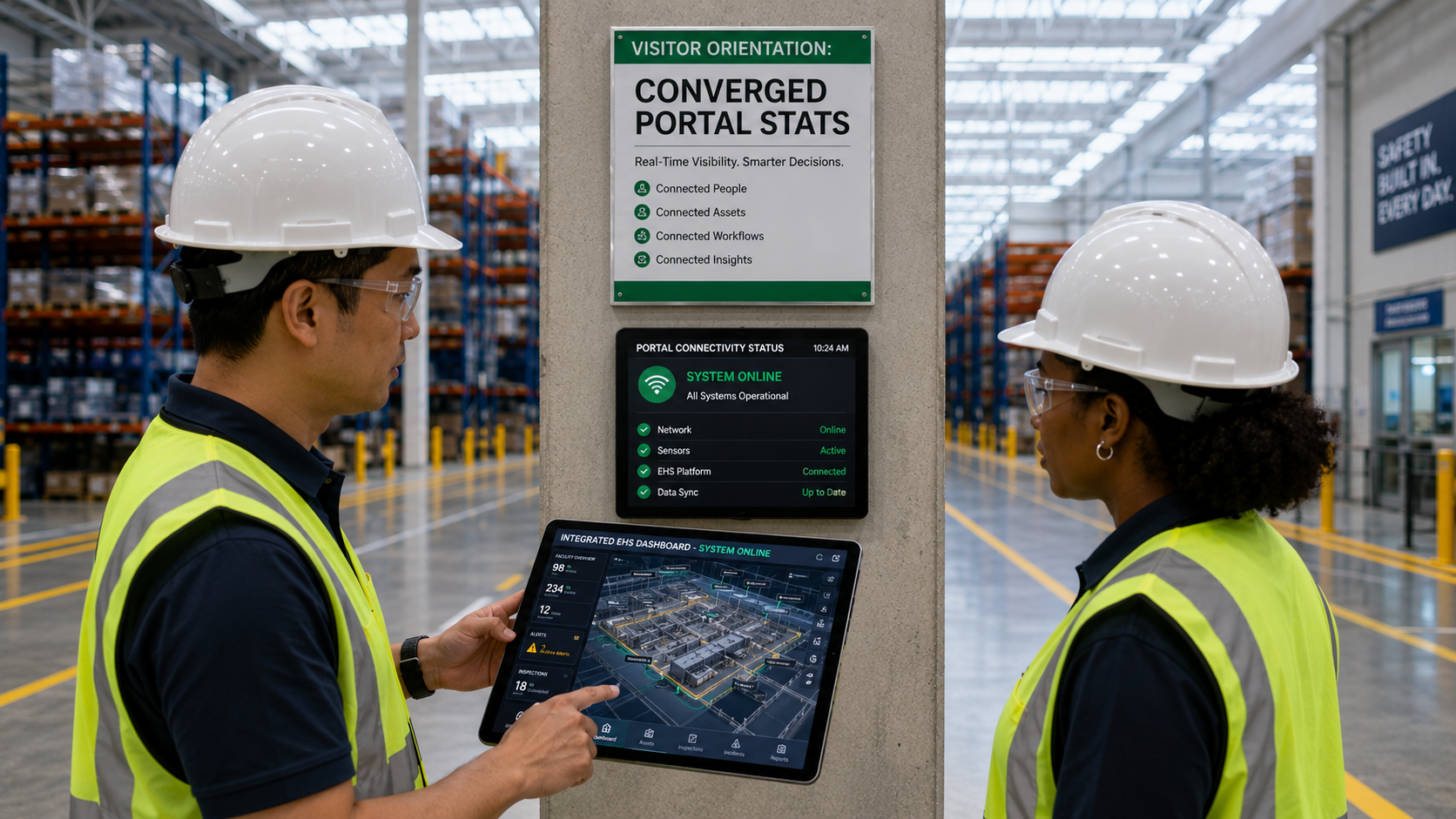
The backbone of a converged safety program is the instant accessibility of its cloud documentation. Modern compliance auditors, incident commanders, and floor supervisors rely on scannable codes mounted to pillars, chemical lockers, and equipment housings to instantly view live site plans, lockout logs, and active Safety Data Sheets (SDSs).
If an operator or a local inspector scans a critical placard and lands on a broken 404 "Page Not Found" screen, your safety network breaks down. That digital failure creates an immediate compliance gap. Your administrative team must actively test and maintain all web routing paths across the facility floor. Keep your digital resource paths clean, live, and fully functional. To seamlessly document these digital link checks alongside your physical PPE inventories, incorporate our comprehensive Warehouse Safety PPE Checklist into your mandatory weekly facility verification walks.
       +-------------------------------------------------------+
       |             DIGITAL-PHYSICAL CONVERGENCE MATRIX       |
       +-------------------------------------------------------+
       | Physical Hardpoints -> High-Visibility Signs & Gear   |
       | Cloud Infrastructure -> Active Mobile Safety Portals  |
       | Network Reliability -> 100% Active Links (Zero 404s)  |
       +-------------------------------------------------------+
Strategic Action Steps for Next-Generation Compliance Leaders
Maintaining total structural organization and digital accuracy across a large industrial enterprise requires combining high-durability hardware with centralized procurement loops.
Post Clear Visitor Orientation and Compliance Notice Signs
Do not let outside drivers, visiting inspectors, or temporary crews navigate your floor through guesswork. Install heavy-duty, high-contrast entry notices and clear path signs right at your main security gates, shipping desks, and locker areas. Deploying long-lasting, weather-resistant Industrial Facility Safety Signs & Accessories gives all personnel immediate visual direction, keeping your layout structured and fully compliant under any conditions.
Execute an Automated Weekly Digital Safety Path Audit
Turn your administrative safety workflows into an active network defense plan. Assign your safety coordinators to execute a weekly floor walk with tablets in hand, actively scanning every QR code, barcode, and asset placard pinned across your racking lines and mechanical bays. Confirm that every path routes seamlessly to a live, mobile-optimized site page, keeping your facility network completely free of broken links.
Consolidate Equipment Pipelines via Centralized Enterprise Accounts
Sourcing and maintaining uniform physical signage, heavy-duty lockout tags, and compliant high-visibility clothing collections for a sprawling network can easily stretch operations budgets if handled through scattered local accounts. By running all compliance purchases through a central eSafety Supplies Bulk Procurement Account, your procurement managers can seamlessly batch orders for all departments while hitting tough corporate volume cost-containment goals.
Digital-Physical Safety Convergence Frequently Asked Questions
What does digital-physical convergence mean for warehouse safety?
It represents the seamless integration of physical on-floor safety markers, signs, and high-visibility protective gear with real-time cloud tracking portals, automated inspection logs, and mobile hazard data streaming.
How does automated link mapping protect a blended, multi-employer workforce?
By ensuring every equipment placard, evacuation path marker, and hazard warning is tied to a perfectly live web URL, you guarantee that external contractors and seasonal personnel can instantly pull up accurate regulatory or tactical data on any device without encountering a 404 page.
Why are standard physical facility markings still necessary in a digitally integrated warehouse?
Physical signs and heavy-duty floor tape provide immediate, instinctive visual cues that protect workers during power grid drops, network lags, or high-noise shifts where digital notifications might miss an employee's immediate attention.
About the Author
Mick Chan is a Senior EHS Compliance Specialist and Safety Content Strategist with over 15 years of boots-on-the-ground experience auditing industrial facilities, logistics hubs, and construction zones across the Western United States. Raised in the San Gabriel Valley, California, Mick holds a Bachelor of Science degree from California State University, Los Angeles (CSULA). He specializes in translating complex federal OSHA codes and National Electrical Codes (NEC) into practical, high-efficiency operational safety programs that shield companies from liability and protect industrial workforces.