Quick Summary
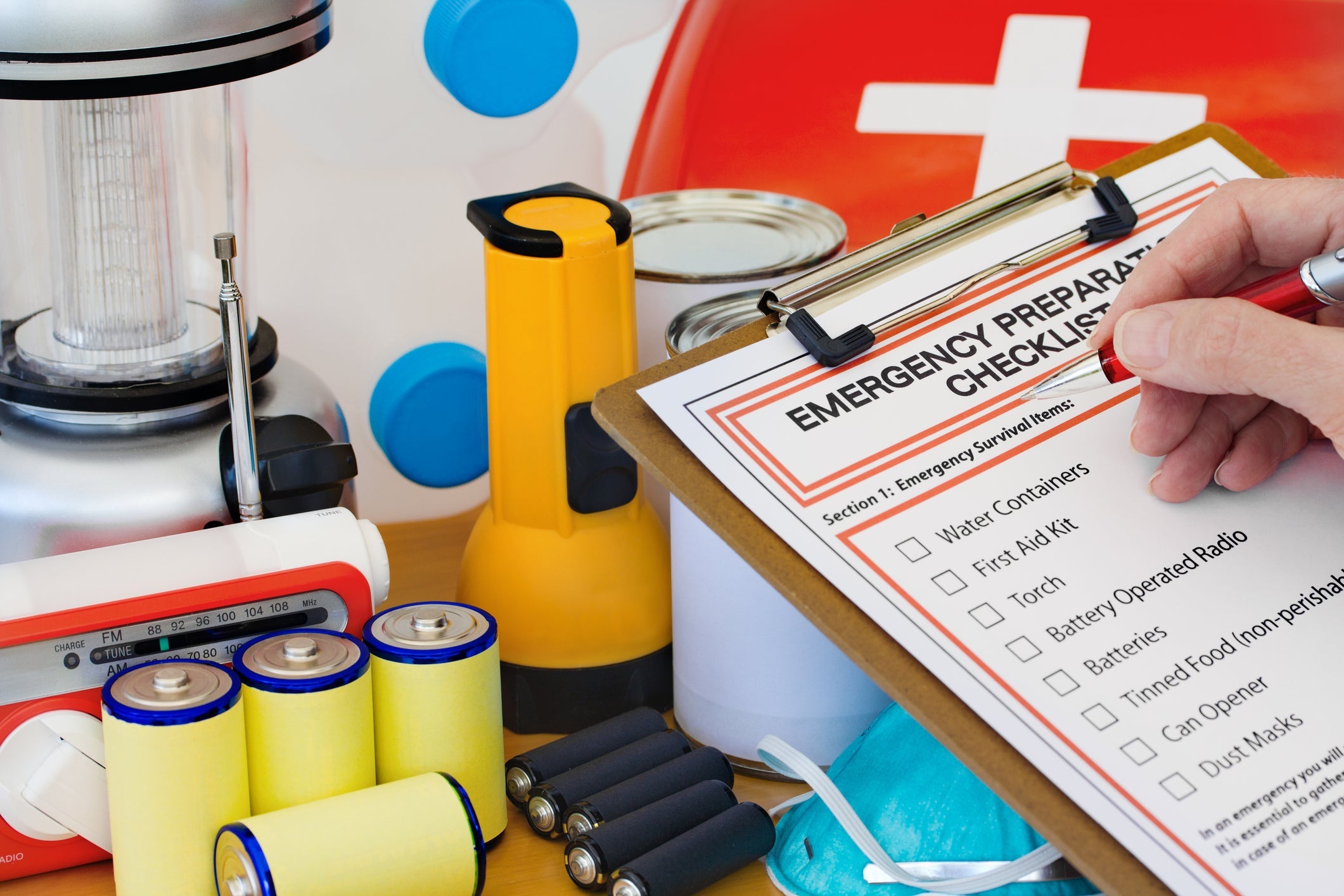
A 72-hour emergency kit is designed to sustain each person for at least three days after a disaster such as an earthquake, wildfire, or power outage. Every California family should store water (1 gallon per person per day), non-perishable food like MREs, first aid supplies, flashlights, batteries, personal protective equipment (PPE), and essential documents. Preparation before disaster strikes is the key to safety and survival.
Why Every California Family Needs a 72-Hour Emergency Kit
California faces some of the highest natural disaster risks in the United States. Earthquakes, wildfires, floods, and extended power outages can disrupt supply chains and emergency response services without warning.
Government agencies recommend households prepare to be self-sufficient for at least 72 hours. During this time, access to grocery stores, gas stations, and medical facilities may be limited.
A properly built emergency kit provides:
- Immediate access to food and water
- Protection from environmental hazards
- Medical support for minor injuries
- Communication capability
- Peace of mind during crisis situations
Water: The Most Critical Survival Supply
How Much Water Do You Need?
Store a minimum of 1 gallon of water per person per day. For a family of four, that equals 12 gallons for three days.
Recommended Water Supplies
- Sealed bottled water
- Large emergency water containers
- Water purification tablets
- Portable water filters
Water is essential not only for drinking but also for sanitation and basic hygiene.
Food: Non-Perishable Emergency Meals
Best Food Options for a 72-Hour Kit
- MREs (Meals Ready to Eat)
- Energy bars
- Canned goods with pull tabs
- Peanut butter and protein snacks
- Freeze-dried emergency food kits
MREs are especially ideal because they require no cooking, no refrigeration, and include heating elements.
Calorie Planning
Plan for approximately 2,000–2,500 calories per adult per day. Children may require slightly less, but calorie needs increase during stressful situations.
First Aid & Medical Supplies
Essential Medical Items
- Comprehensive first aid kit
- Adhesive bandages
- Antiseptic wipes
- Medical gloves
- Prescription medications (7-day supply)
- Pain relievers
In disaster situations, emergency responders may be delayed. A stocked first aid kit can address minor injuries immediately.
Personal Protective Equipment (PPE)
In California, wildfires and earthquakes create airborne debris and dust hazards.
Recommended PPE for Emergency Kits
- N95 respirators
- Work gloves
- Safety goggles
- High-visibility vest
- Hard hat (if structural damage is possible)
Respirators help protect against smoke and airborne particles after structural collapse.
Lighting & Power Supplies
- Battery-powered flashlight (one per person)
- Extra batteries
- Portable power banks
- Solar chargers
- Battery-operated radio
Power outages often accompany disasters. Lighting ensures safety at night and prevents injury.
Communication & Documentation
Important Documents to Store
- Copies of IDs and passports
- Insurance policies
- Emergency contact list
- Medical records
Keep documents in a waterproof container or digital backup.
Sanitation & Hygiene Supplies
- Moist towelettes
- Garbage bags
- Hand sanitizer
- Toilet paper
- Personal hygiene products
Maintaining hygiene reduces the risk of infection during extended emergency conditions.
Tools & Miscellaneous Essentials
- Multi-tool or basic toolkit
- Duct tape
- Whistle
- Local maps
- Emergency blankets
- Cash in small denominations
Cash is critical if electronic payment systems are down.
Special Considerations
For Children
- Infant formula
- Baby wipes
- Comfort items