Quick Summary
Traffic control safety is essential for protecting workers and the public in construction zones, roadwork areas, warehouses, and parking facilities. Proper use of traffic cones, signs, barriers, and high-visibility clothing ensures compliance with OSHA and MUTCD standards while reducing accidents and liability risks.
What Is Traffic Control Safety?
Traffic control safety refers to the systems, equipment, and procedures used to guide vehicles and pedestrians safely through or around work zones. Whether it’s a highway construction site or a warehouse loading dock, traffic control plays a critical role in preventing collisions, injuries, and fatalities.
It includes everything from signage and barricades to trained flaggers and high-visibility PPE.
Why Traffic Control Safety Matters
- Prevents vehicle-worker collisions
- Reduces liability and insurance claims
- Ensures OSHA and DOT compliance
- Improves workflow efficiency in active job sites
According to OSHA, struck-by incidents are one of the leading causes of workplace fatalities in construction zones.
OSHA and MUTCD Traffic Control Standards
OSHA Regulations
OSHA requires employers to provide a safe working environment, which includes proper traffic control measures in areas exposed to vehicle movement.
- 29 CFR 1926.200 – Accident prevention signs and tags
- 29 CFR 1926.201 – Signaling requirements
- 29 CFR 1926.202 – Barricades
For official OSHA guidelines, visit: OSHA Work Zone Safety
MUTCD (Manual on Uniform Traffic Control Devices)
The MUTCD sets national standards for all traffic control devices, including:
- Road signs
- Traffic signals
- Pavement markings
Compliance with MUTCD is mandatory for public roadways.
Essential Traffic Control Equipment
1. Traffic Cones
Traffic cones are used to redirect vehicles and mark hazardous areas. They are lightweight, portable, and highly visible.
- Common sizes: 18”, 28”, 36”
- Reflective collars for night visibility
- Stackable for easy transport
2. Traffic Barricades
Barricades provide a stronger physical barrier compared to cones.
- Type I, II, and III barricades
- Ideal for road closures and detours
3. Safety Signs
Signs communicate warnings and instructions to drivers and pedestrians.
- “Road Work Ahead”
- “Detour”
- “Men at Work”
4. Delineators and Channelizers
Used for lane guidance and long-term traffic flow control.
5. Temporary Traffic Signals
Used in complex construction zones to manage alternating traffic flow.
Browse professional-grade traffic control equipment for your job site.
Importance of High-Visibility Clothing
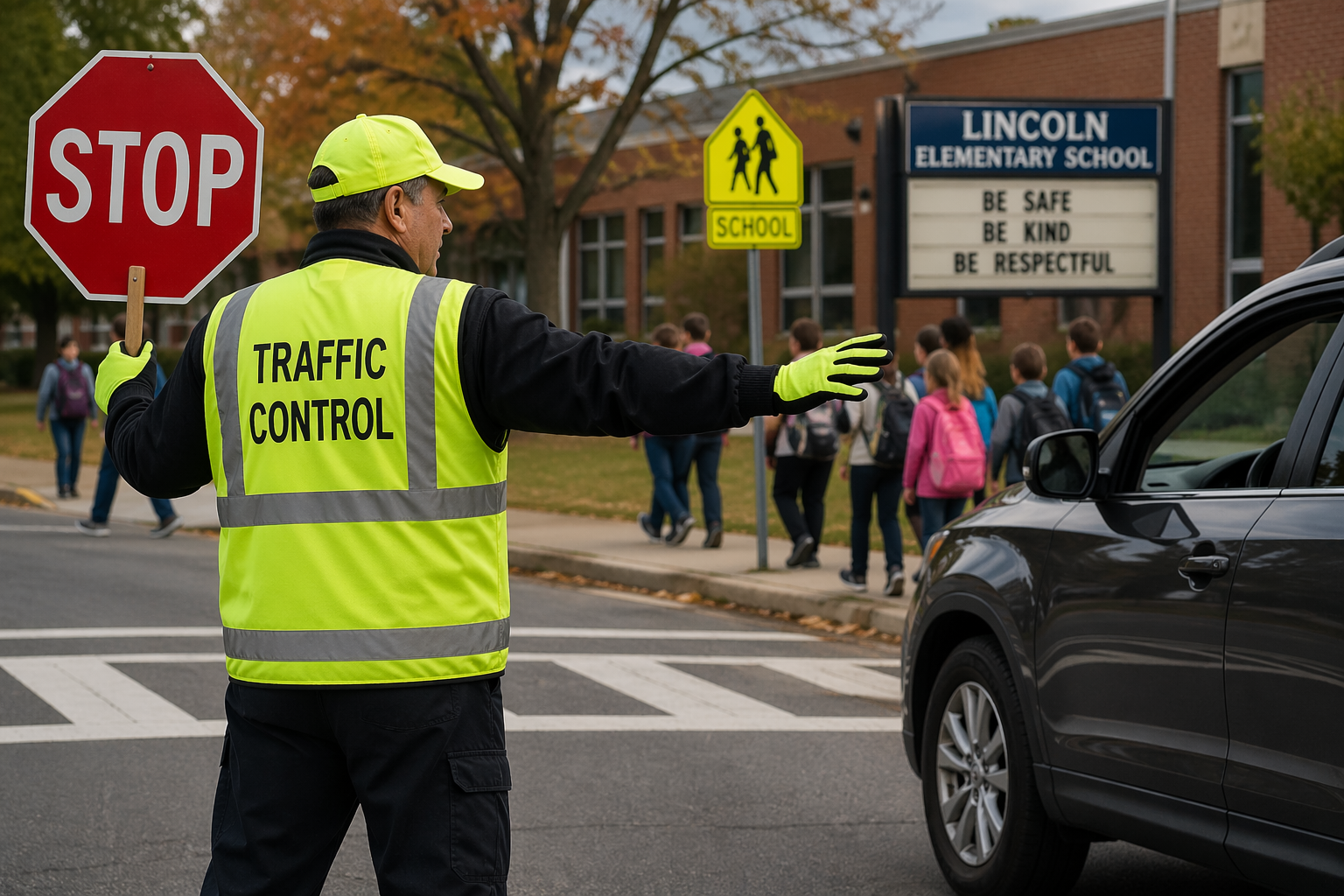
Workers in traffic zones must be clearly visible at all times. High-visibility clothing is required to reduce the risk of struck-by incidents.
For a complete breakdown of ANSI visibility standards, read: High-Visibility Clothing Requirements: ANSI Classes Explained (2026 Guide)
- Class 1 – Low-risk environments
- Class 2 – Moderate traffic exposure
- Class 3 – High-speed traffic zones
Best Practices for Traffic Control Safety
Plan Ahead
Develop a traffic control plan before starting any project.
Use Proper Signage Placement
Signs should be visible from a safe stopping distance.
Train Workers and Flaggers
Only trained personnel should direct traffic.
Inspect Equipment Regularly
Damaged cones or faded signs reduce effectiveness.
Maintain Clear Communication
Use radios or signals to coordinate movement safely.
Common Traffic Control Mistakes to Avoid
- Improper cone spacing
- Using non-reflective equipment at night
- Lack of PPE compliance
- Ignoring traffic flow patterns
Industries That Require Traffic Control Safety
- Construction and roadwork
- Utility maintenance
- Warehousing and logistics
- Event management
- Parking operations
Choosing the Right Traffic Control Equipment
When selecting equipment, consider:
- Environment (urban, highway, warehouse)
- Traffic speed and volume
- Duration of the project
- Day vs night operations
Explore more solutions at: eSafetySupplies.com
Conclusion
Traffic control safety is not optional—it is a critical component of workplace safety and compliance. By following OSHA and MUTCD guidelines and using the right equipment, businesses can significantly reduce risks and improve operational efficiency.
Investing in proper traffic control solutions protects both workers and the public while ensuring compliance with safety regulations.
People Also Ask
What is traffic control safety?
Traffic control safety involves using equipment and procedures to manage vehicle and pedestrian movement safely around work zones.
What are OSHA requirements for traffic control?
OSHA requires proper signage, barricades, trained personnel, and PPE to ensure safety in areas exposed to traffic hazards.
What equipment is used for traffic control?
Common equipment includes cones, barricades, signs, delineators, and temporary signals.
Why is high-visibility clothing important?
High-visibility clothing ensures workers are seen by drivers, reducing the risk of accidents.
What is MUTCD?
The Manual on Uniform Traffic Control Devices sets national standards for traffic signs, signals, and road markings.
About the Author
Mick Chan is a Safety Supplies industry professional with over 15 years of experience specializing in OSHA compliance, PPE regulations, and workplace safety solutions. He has helped businesses across California implement effective safety programs aligned with national standards.